Cross-Border Payments and Stablecoins in LATAM: What Blockchain Summit Latam Confirmed
By Linka Finance
Cross-Border Payments and Stablecoins in LATAM: What Blockchain Summit Latam Confirmed
The all-in cost of a traditional cross-border wire in Latin America wire fees, FX spread, correspondent bank deductions, and float runs between 2% and 7% of transaction value, with settlement taking two to five business days (Polygon/Mizuho, 2026). For a company processing $500K per month in supplier payments, that's up to $35,000 lost every month before a single unit of product moves.
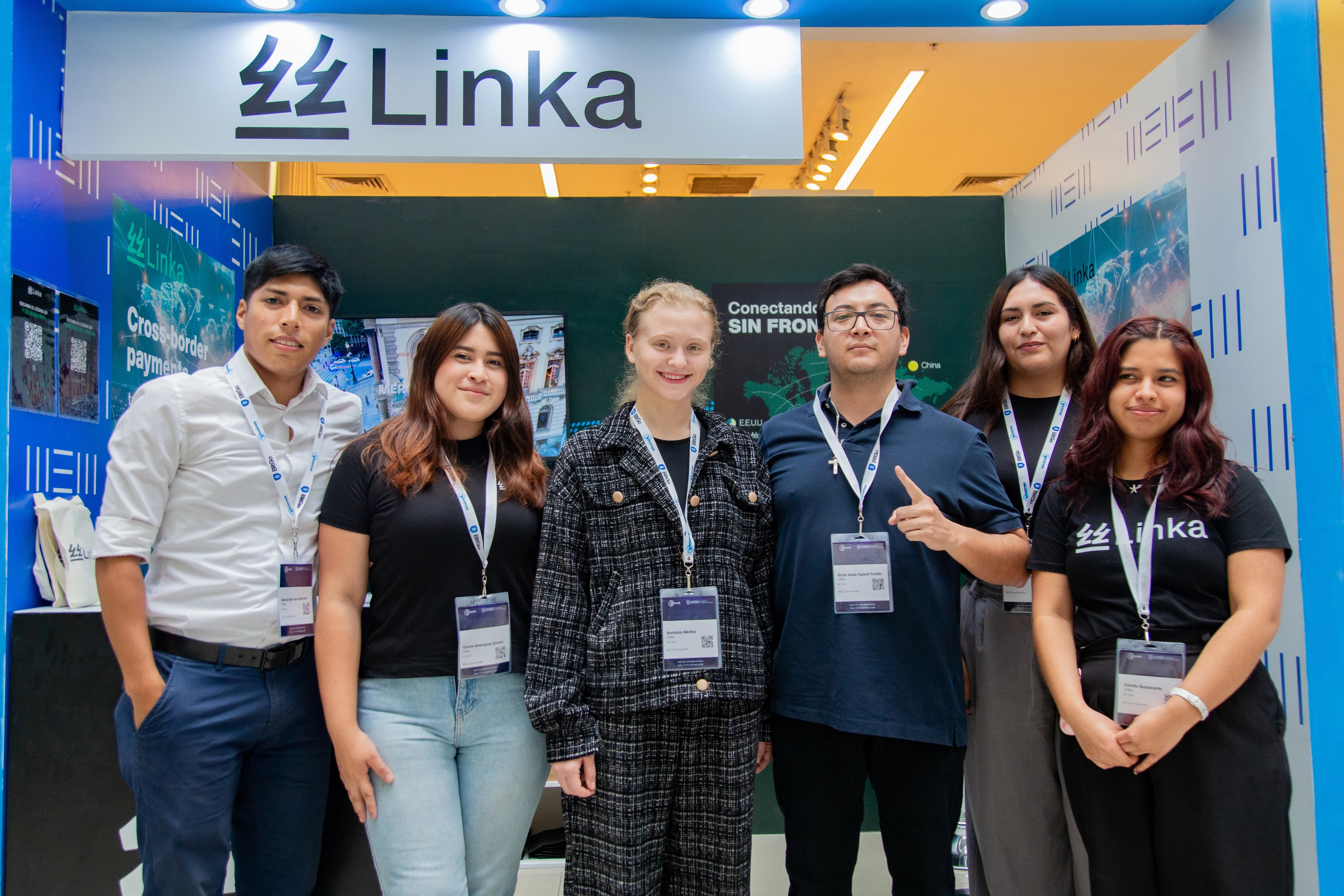
That friction is not theoretical. It was the central theme at Blockchain Summit Latam On Tour 2026 in Lima and it's the problem Linka was built to solve.
The Panel: New Global Financial Architecture
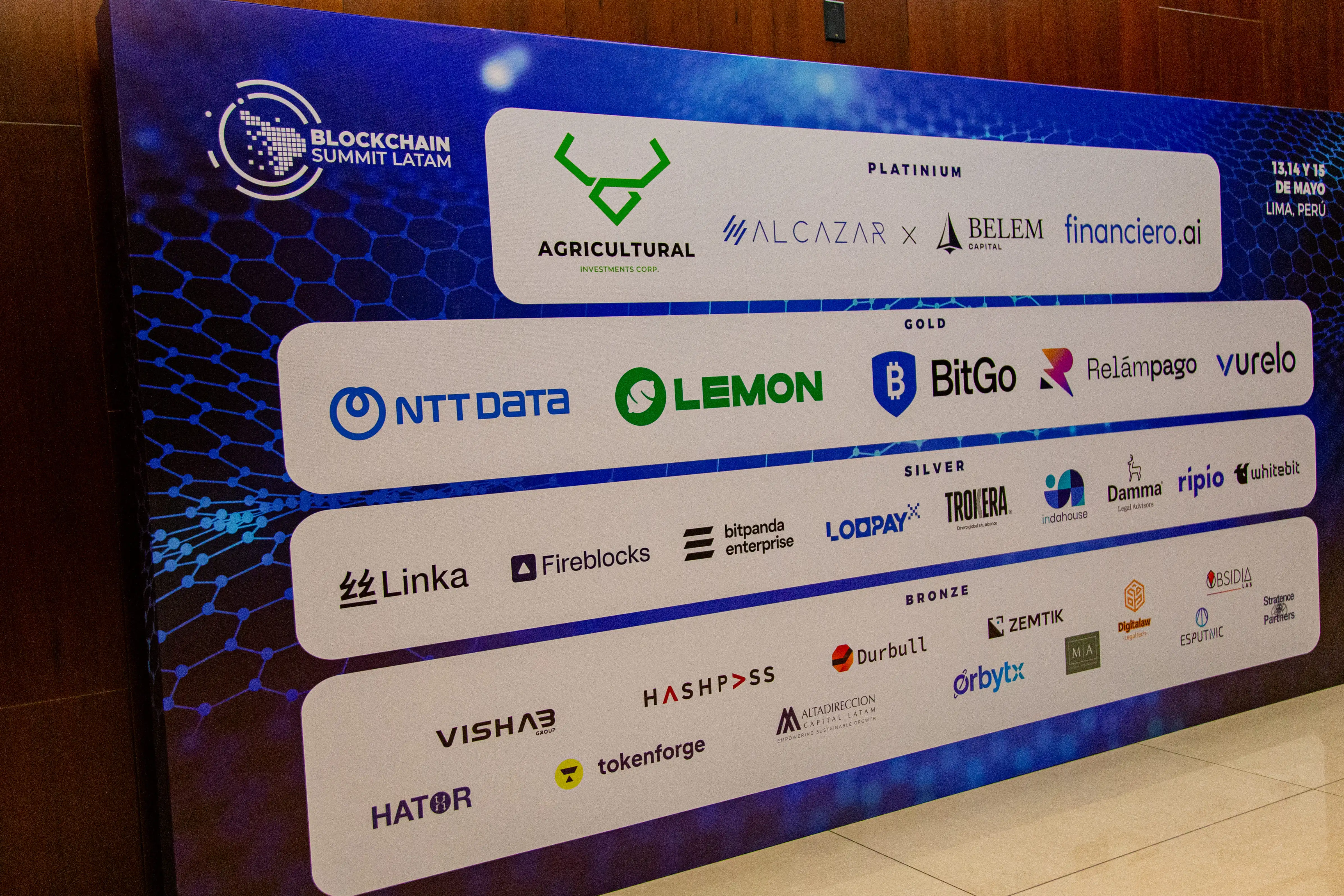
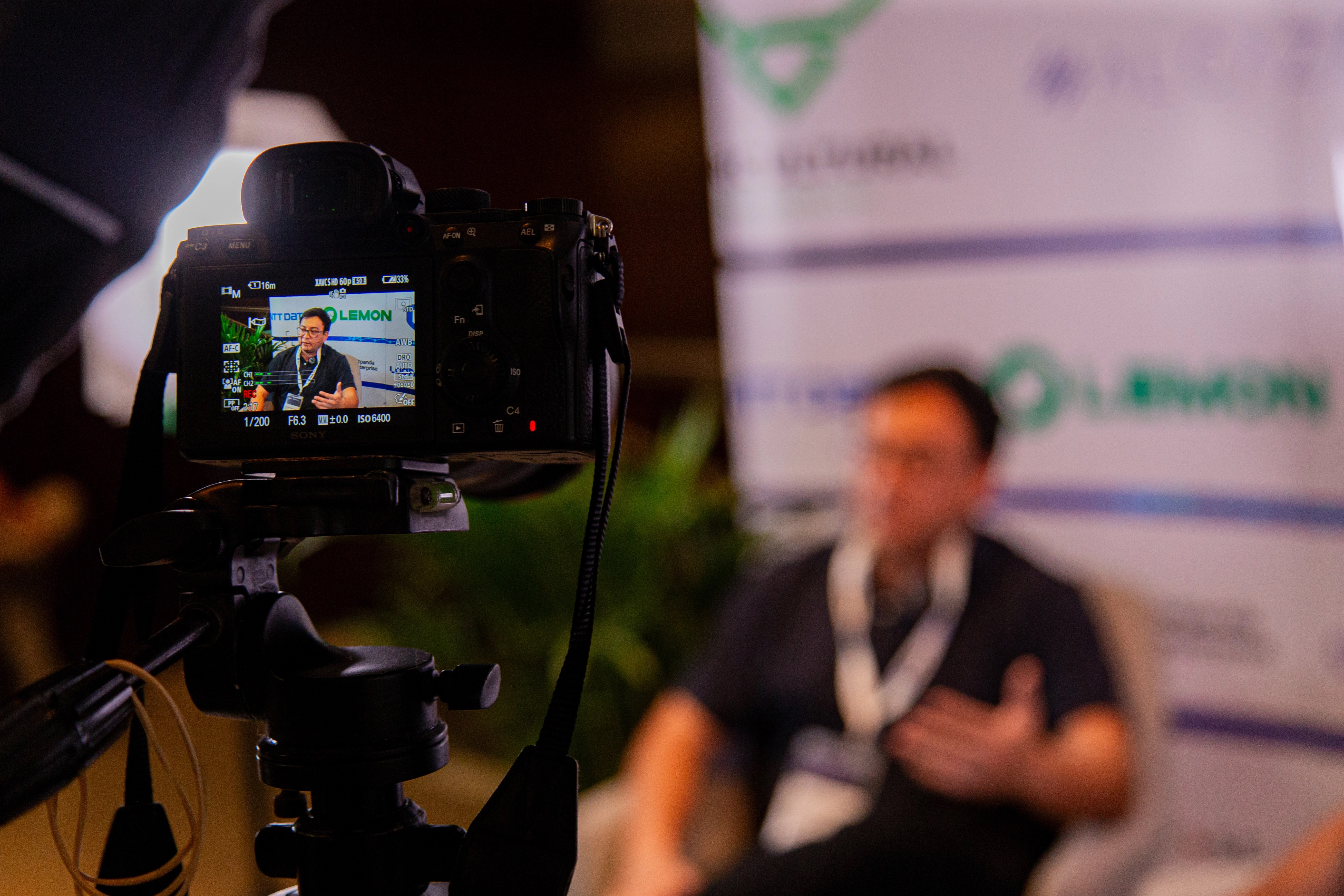
At BSL Peru 2026, Alberto Escarate, Linka's Head of Trade Finance, joined a panel alongside Luis Miguel Arroyave (Sales Director, Fireblocks), Fernando Cruz (Business Manager, Lemon), María Teresa Lorena (Co-Founder, Web3Gals), and Javier Salinas (President, Asociación Fintech del Perú) to discuss "Nueva arquitectura financiera global: pagos cross-border, stablecoins y evolución de la tokenización institucional del dinero" the new global financial architecture: cross-border payments, stablecoins, and the evolution of institutional money tokenization.
The composition of that panel reflects how the conversation around LATAM payments has matured. It is no longer a crypto-native discussion. It includes institutions, payment infrastructure companies, and trade finance operators the people who actually move working capital across borders at scale.
Why This Conversation Is Happening Now
Latin America leads global stablecoin adoption for cross-border payments. According to Fireblocks' 2025 survey, 71% of Latin American institutions are already using stablecoins for cross-border transactions the highest regional adoption rate globally.
The drivers are structural, not speculative:
- B2B stablecoin payments grew from under $100 million per month in early 2023 to over $6 billion per month by mid-2025 a 60x increase in 30 months.
- Actual stablecoin payment volume reached $390 billion in 2025 more than double 2024 levels with B2B payments accounting for approximately $226 billion, a 733% year-over-year increase.
- Latin America moves over $150 billion annually in cross-border payments, including remittances, B2B trade settlements, and freelancer payouts. The legacy infrastructure handling most of that volume was not built for speed or transparency.
The regulatory environment has also shifted. The GENIUS Act, passed in July 2025, established the first federal framework for stablecoin issuance in the United States, removing the primary legal uncertainty that had prevented regulated financial institutions from integrating payment stablecoins into their operations. In the EU, MiCA is fully in force. These frameworks matter for LATAM companies because they determine which dollar-denominated rails are institutionally acceptable.
What Traditional Rails Still Can't Do
The panel framing new global financial architecture points to a specific gap in the existing system.
Correspondent banking networks were designed for a world of fixed business hours, bilateral relationships, and sequential settlement. They work. But they impose costs that compound at scale: prefunded liquidity in multiple currencies, opaque FX markups applied mid-chain, and 2–5 day settlement windows that lock up working capital continuously.
For companies processing $10 million per month in cross-border payments, 2–5 day settlement means roughly $333,000 is in transit at any given time. At a 5% cost of capital, that's $75,000–$125,000 per year in idle money before counting the FX spread or wire fee on each transaction.
Stablecoin rails change the settlement math. They do not eliminate all costs — on/off-ramp fees and FX conversion at the fiat legs still apply but they compress the float, reduce intermediary deductions, and operate 24/7.
How Linka Operates in This Layer
Linka does not use stablecoins as a marketing concept. It uses them as the actual settlement mechanism for B2B cross-border payments across Latin America.
Operationally, this means settlement in under 24 hours using USDC/USDT rails; transparent pricing with a commission between 2% and 6% depending on volume, with no hidden FX spread layered on top; and no requirement for foreign bank accounts for companies in Peru, Colombia, Mexico, Chile, and across LATAM. For import/export operators, Linka also offers trade finance working capital before shipment, not after.
The panel Alberto joined was titled around institutional tokenization of money. Linka approaches that topic from the operational end: tokenization is only useful if there is an operator that can manage the on-ramp, settlement, and off-ramp at the business layer. That is the infrastructure gap Linka fills.
What the Data at BSL Confirmed
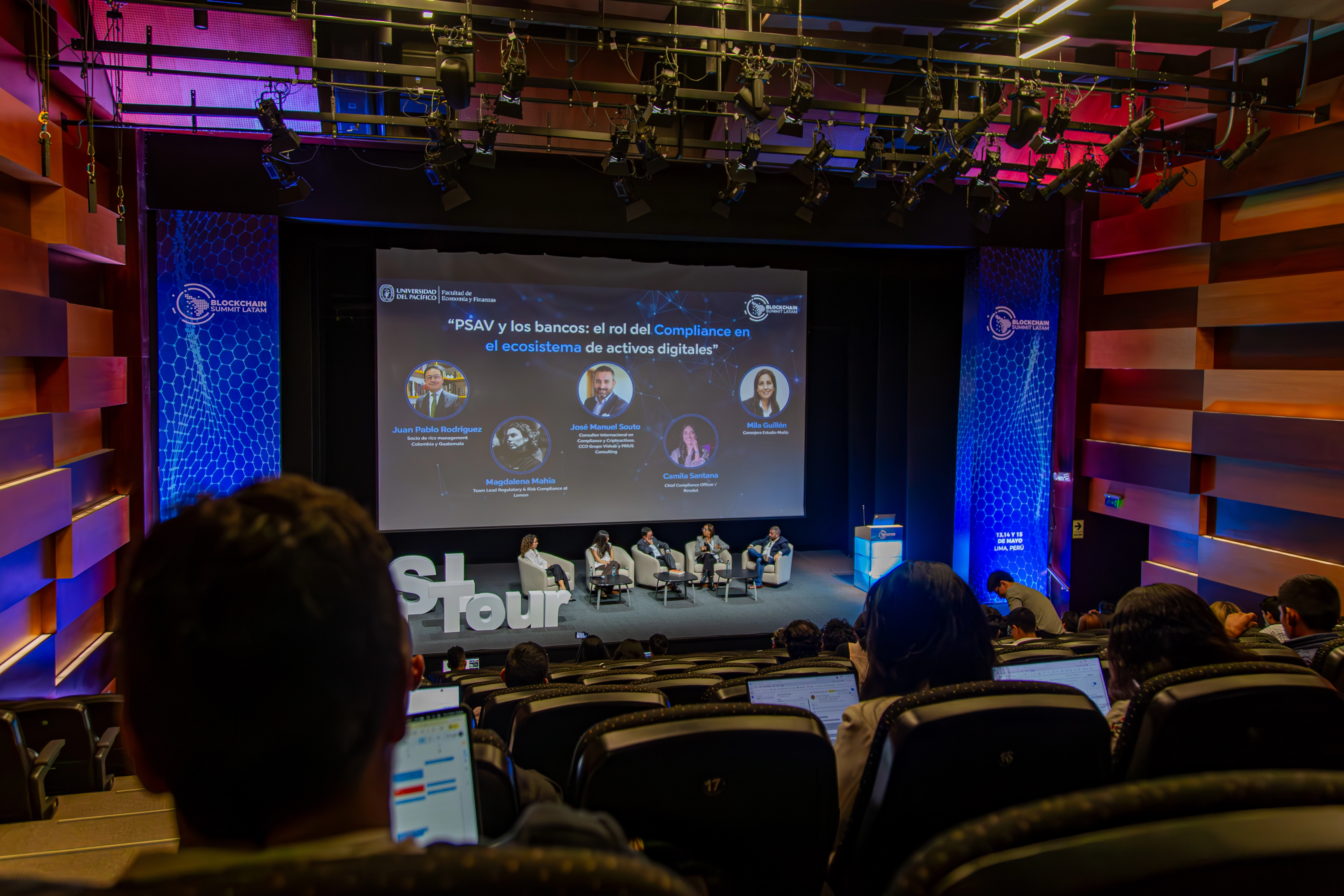
Blockchain Summit Latam is not a crypto-enthusiasm conference. It draws regulators, bank executives, and fintech operators the audience that decides whether stablecoin infrastructure gets integrated into real treasury operations.
The BCRP's presence on Day 1, presenting Peru's progress on financial interoperability and open banking, signals that Peru's institutional framework is moving toward compatibility with these rails not away from them.
The share of stablecoins in crypto transfers across Latin America reached 40% in 2025. In Argentina, USDT and USDC account for over 70% of all crypto purchases. In Colombia, the figure sits at around 52%. These are not retail numbers. They reflect treasurers and operators managing currency exposure and liquidity in markets where the banking system cannot offer dollar-denominated efficiency at scale.
The conversation at BSL was not about whether stablecoin payments are possible. It was about how to build the infrastructure that makes them reliable, auditable, and scalable for corporate use. That is exactly what Linka operates today.
Conclusion
Blockchain Summit Latam put the right conversation on stage: not whether stablecoins work, but how the financial infrastructure around them needs to be built for institutional use.
Linka's participation in that panel was not symbolic. It reflects where the company operates at the point where stablecoin technology meets the operational requirements of CFOs and treasurers moving real money across Latin American corridors.
If your company runs cross-border payments in LATAM and you want to understand what moving to stablecoin rails looks like operationally, talk to Linka's team.