
Behind the Onion: what exporters and CFOs can learn from a stablecoin-powered trade flow

A shipment can look simple. Behind it, exporters are usually managing a much harder problem: getting paid, funding the next shipment, and keeping cash moving on time.
Peru is one of the biggest onion suppliers to the United States. A container leaves a farm in the south, crosses the Pacific, and shows up on a shelf a few weeks later. Nothing about it looks complicated.
Before that container ever moved, someone had to finance it. Harvesting, packing, freight, port costs and local obligations all happen before the final buyer has settled. Money moves across borders on one timeline, while the exporter’s operating costs arrive on another. While everyone waits, cash that should fund the next order can sit trapped in transit.
That timing gap is where a lot of good trades fall apart.
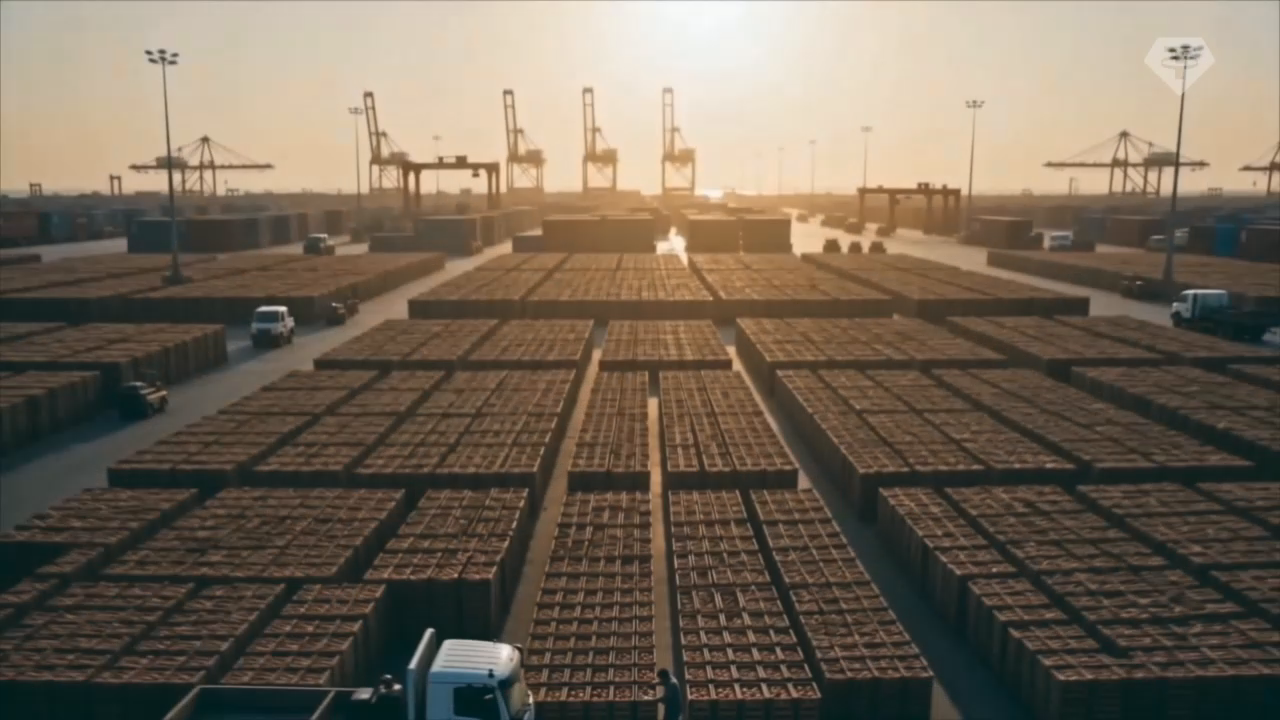
What the exporter is actually managing
Most export shipments carry four pressures at the same time:
- Production, packing, freight and port costs are due before the final payment arrives.
- Revenue may land in dollars, while payroll, suppliers and local costs are paid in local currency.
- Buyers, logistics providers and banks all move on different timelines.
- Working capital gets stuck between shipment, settlement and the next purchase order.
For a business doing real volume, that cost is material. It can be the difference between taking the next order and passing on it. Good trades often fall apart because the cash arrives too late.

What the gap costs
One shipment can tie up cash for days. The cost shows up in three places:
- Five days of cash frozen per shipment, the traditional way.
- 3% to 5% lost to FX and fees, every single time.
- Another order delayed because the money from the previous shipment is still moving through the system.
Why traditional rails still create friction
The plumbing most companies still run on was built for a slower world.
A wire can take days. Every bank in the chain takes its cut. The exchange rate spread is baked into the price rather than shown clearly. When your shipment, buyer collection and local obligations all depend on timing, even a small delay gets expensive fast. Producers wait to be paid, the next shipment slows down, and the finance team cannot say with confidence how much cash is free right now.

How Linka helps close the timing gap
- Receive or move dollar value faster through stablecoin rails, instead of waiting days for the slowest bank in the chain
- Hold value in digital dollars while the commercial flow is still moving, instead of converting too early or too often.
- Settle the local side in soles, so producers, logistics providers and operating costs can be paid through familiar domestic rails.
- Keep a clearer record of the flow, with a disclosed cost and a settlement path the finance team can actually track.
Proven in real trade flows
Linka has already operated real import and export flows across digital dollars and local currency. That work is practical: vetting counterparties, structuring the payment path, coordinating settlement, and making sure the local side clears in the way businesses already operate.
That matters more than a headline number. We have seen where these flows slow down, where cash gets trapped, and where finance teams need better visibility before they commit to the next shipment.
Now we are applying that operating layer to trade financing use cases. The goal is simple: help fund the key payment points in a shipment so exporters and importers can keep cargo moving, with vetted counterparties, enforceable documents, and risk we can control.
Who this is for
This is built for the people who feel the problem every week:
- exporters managing buyer collections, freight, producers and local operating costs
- importers managing supplier payments and time-sensitive settlement
- CFOs and finance teams who live and die by working capital
- treasury and trade finance people who need settlement they can count on
If that is your week, the onion is only the visible part. The real question is whether you can move value on time, settle locally, and free up cash for the next deal.
Talk to us about your corridor
If you export or import across borders and want to know what delays, FX spread and trapped cash are costing you, send us your actual numbers. We will look at your corridor, your timing and what you pay today, then tell you directly whether there is a better way to run it.
Talk to the Linka Team about your corridor: linka.xyz