
Trade Finance in Latin America: Key Takeaways from Linka's Event at ADEX
Por Linka Finance
Trade should not be stopped by a lack of financing
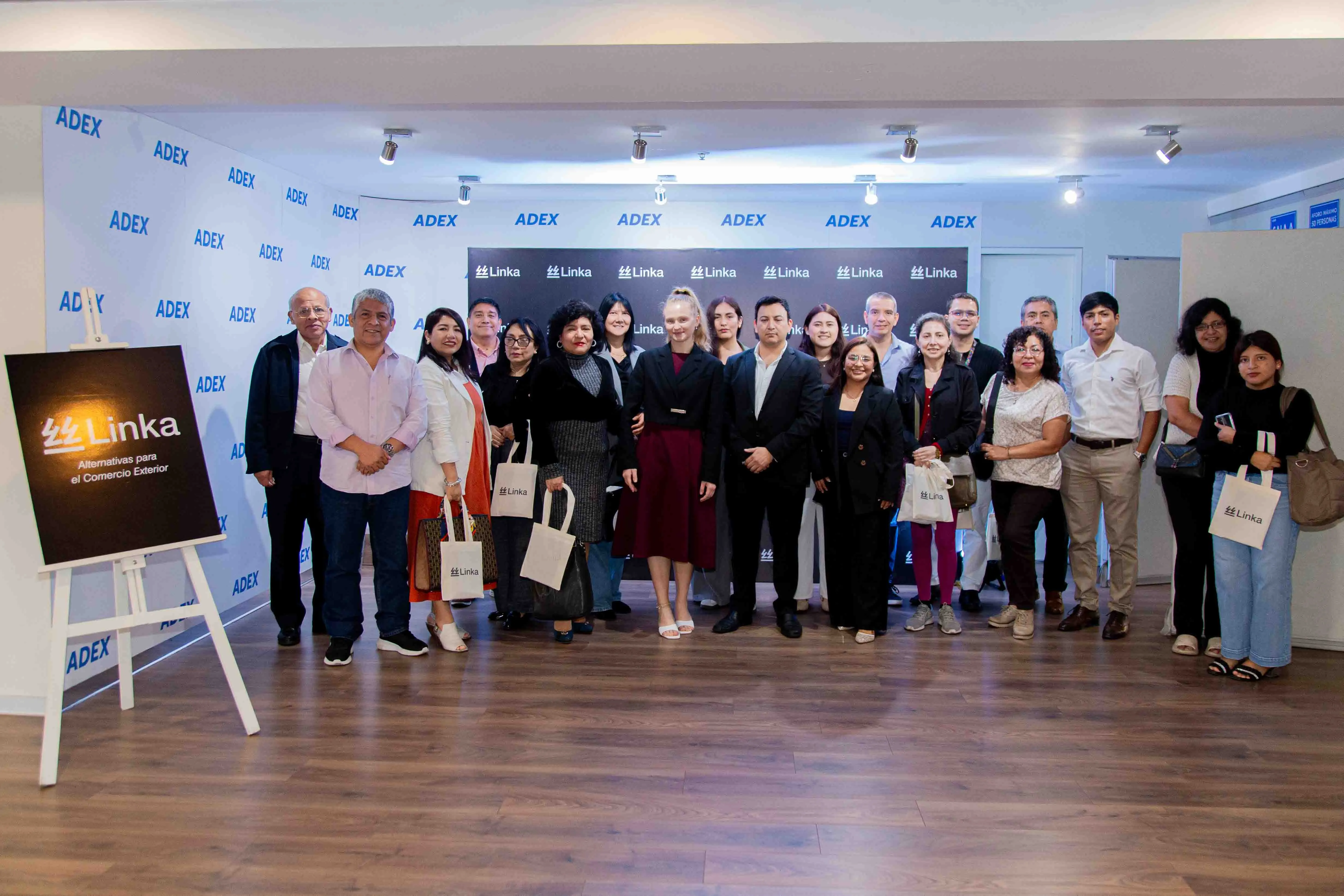
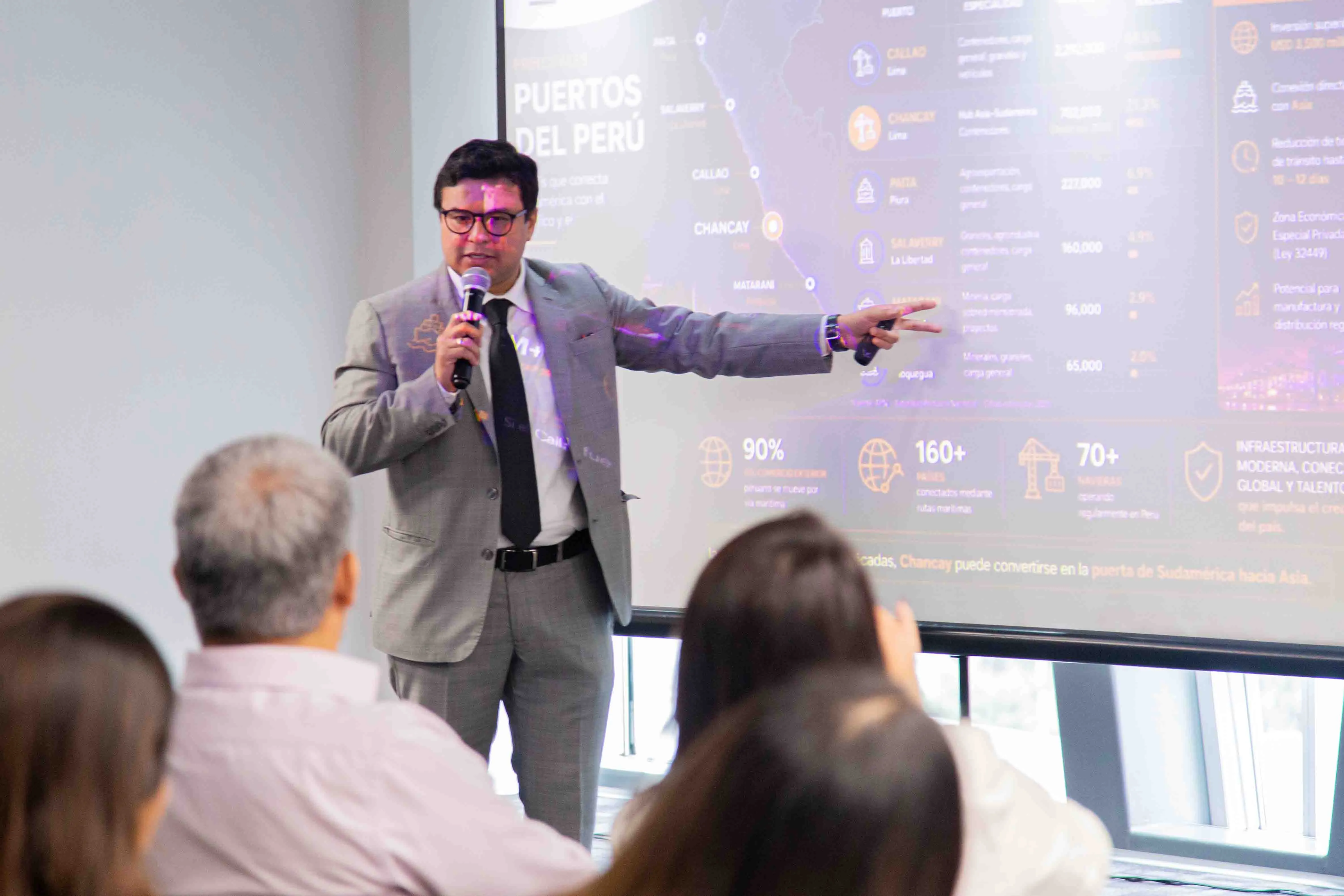
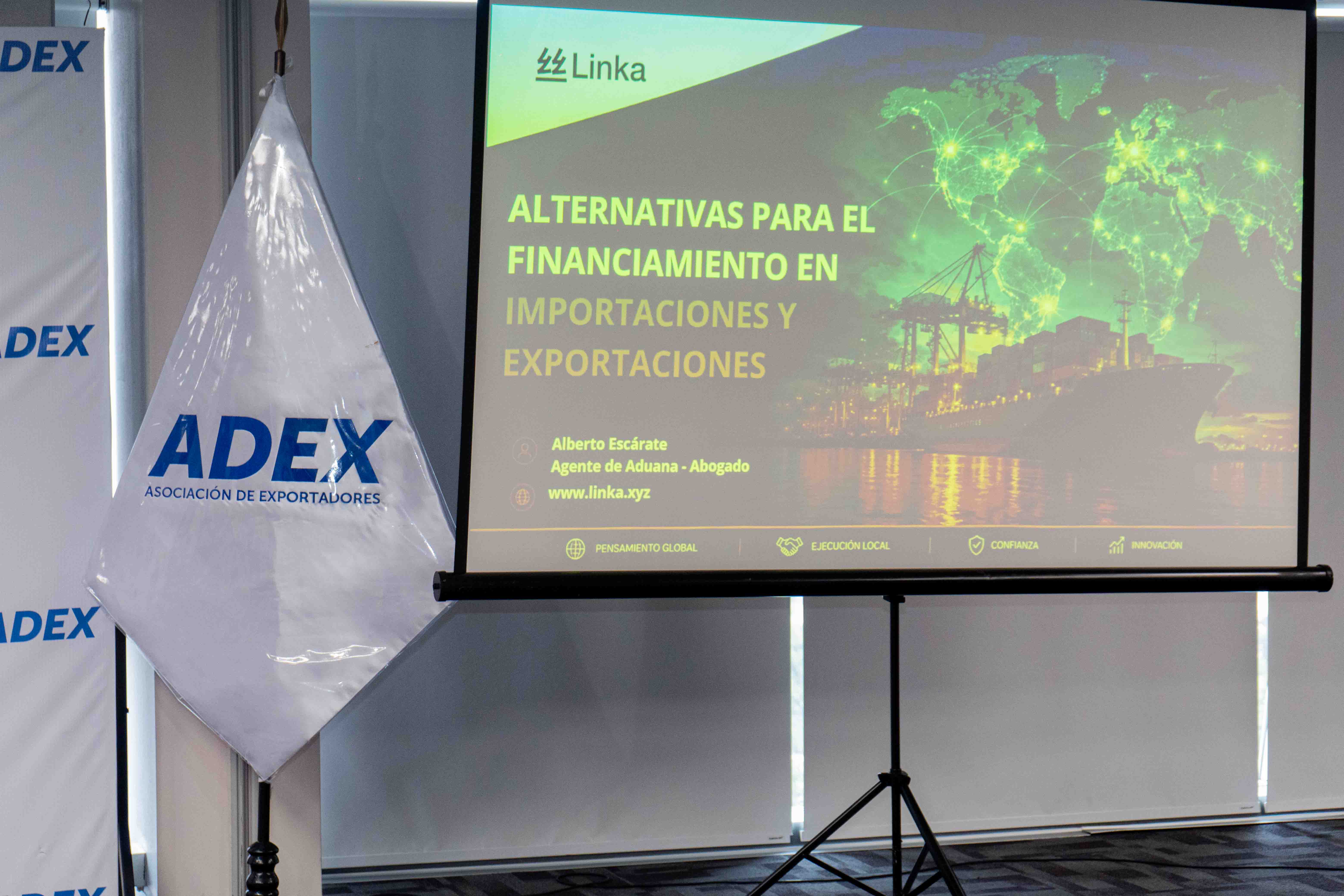
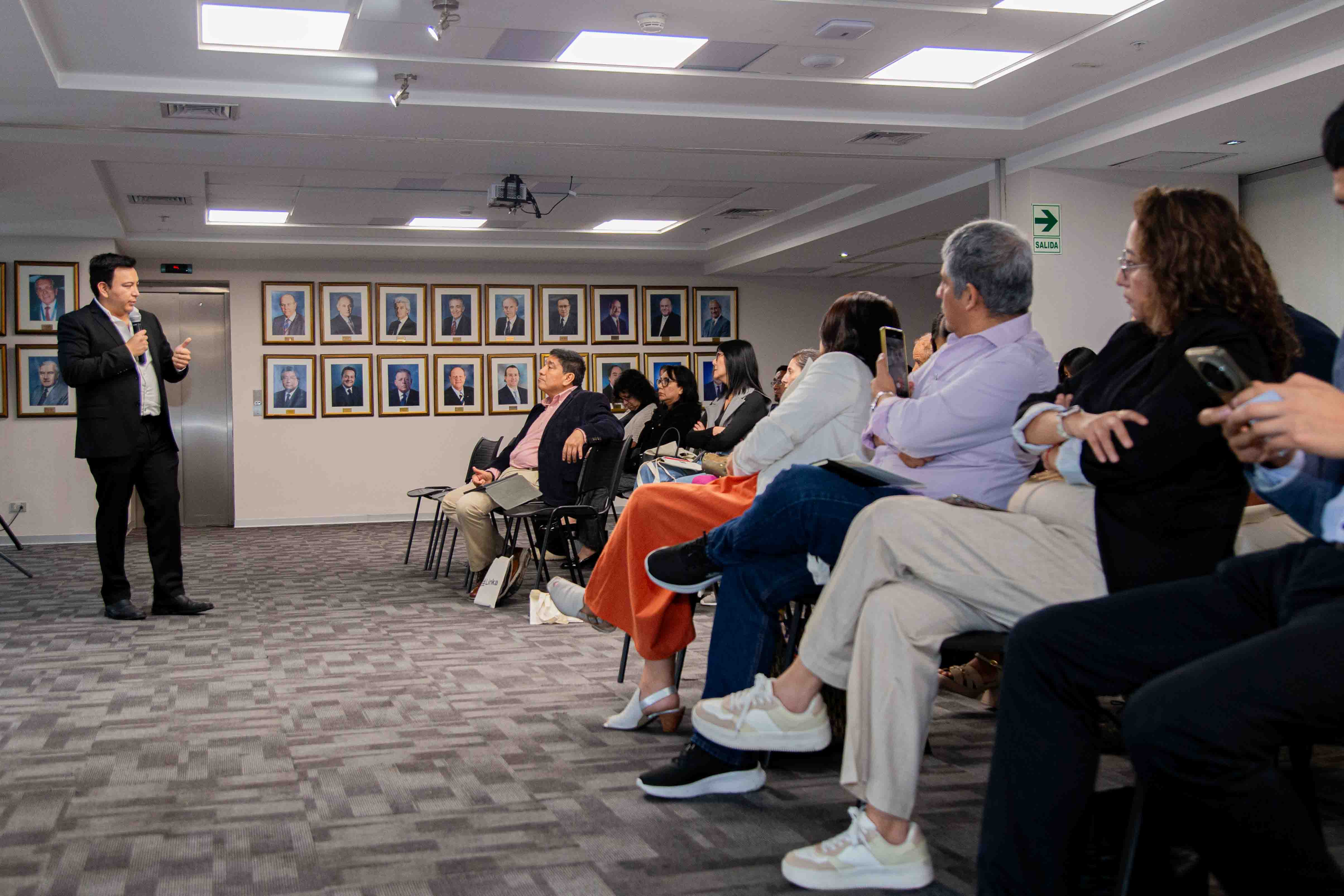
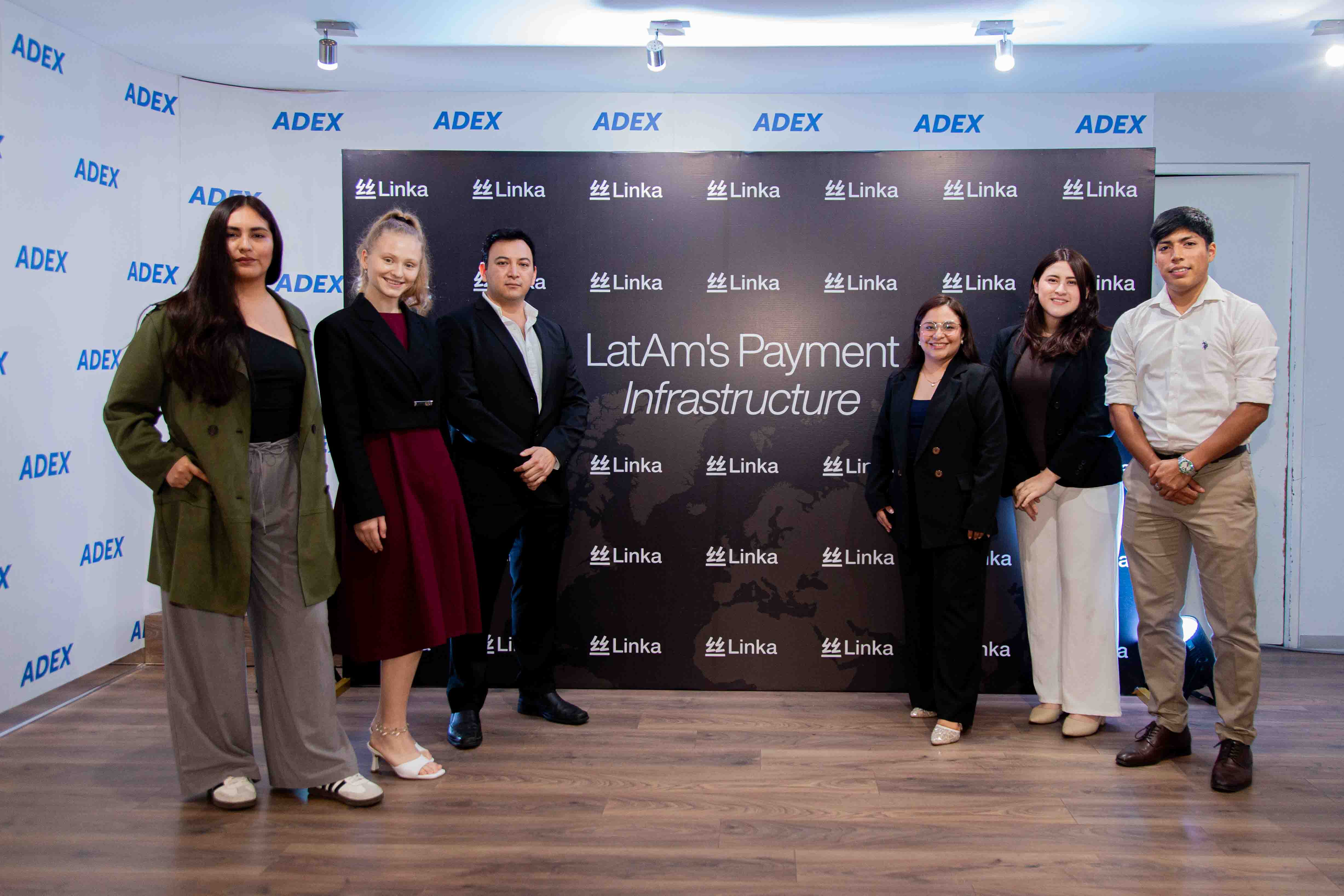
Last Friday, the halls of ADEX Peru's Association of Exporters hosted a conversation that many importers and exporters had been waiting for. Linka, a fintech specializing in cross-border financing and payments, presented a concrete proposal to a select group of companies: that the real costs of international trade freight, import duties, port payments, and the "gates" that don't wait no longer need to be an operational bottleneck.
The problem nobody fully solves: the liquidity gap in the logistics chain
International trade has a characteristic that makes it particularly demanding from a financial standpoint: costs don't wait. Ocean freight, import tariffs, port payments, and storage fees all have fixed, immovable deadlines. If liquidity is not available at the exact right moment, goods stop moving, contracts are breached, and commercial reputations suffer.
This gap between when money is needed and when cash flows allow it is the central problem Linka came to address at ADEX. It is not a minor or marginal issue: sector data suggests that more than 60% of Latin American SME exporters and importers have lost a commercial operation due to lack of timely financing not for lack of demand or product quality, but purely for lack of liquidity at the right moment.
What Linka offers: financing designed for real operations
Linka's proposal starts from a precise diagnosis. Traditional trade finance letters of credit, bank credit lines, factoring was designed for a different era: longer timelines, rigid documentation requirements, and limited access for small and medium-sized companies. The reality of modern international trade is different.
What Linka presented at the event centers on three pillars:
Financing the real costs of the operation. Linka finances the components that put the most pressure on an importer's or exporter's cash flow: international freight, import taxes (tariffs, VAT, other applicable duties), port payments, and associated logistics costs. This is not a generic loan; it is liquidity applied directly to the gatekeepers of the supply chain.
Fast, practical settlement. The solution covers not just financing but also settlement: ensuring that payments arrive at their destination on time, without unnecessary banking friction, even in cross-border transactions involving multiple currencies or jurisdictions.
Access for companies traditional banks typically leave out. One of the most resonant points in the room was precisely this: many of the companies present have real operations, signed contracts, and confirmed clients but lack the guarantees or credit history that traditional banks require to approve a commercial finance line.
What the room said: the questions that matter
Events like this are as valuable for the presentations as for the questions they generate. And the questions last Friday at ADEX were revealing.
Companies in attendance asked about realistic approval timelines, minimum requirements to access financing, geographic coverage particularly for routes to Asia, Europe, and the United States and how Linka integrates with their existing customs brokerage and logistics processes. They also asked about the security and transparency of transactions, in a context where the use of financial technology in international trade still raises legitimate questions.
The interest behind every question was the same: does this work for my operation, with my timelines, on my routes? That specificity is exactly what distinguishes a real importer or exporter from a casual observer. And on Friday, the room was full of real operators.
ADEX as a convergence space: more than an event
The fact that this event took place at ADEX is not a minor detail. Peru's Association of Exporters is one of the most important voices in the country's export sector, with decades of work bridging companies, government, and international markets. Its willingness to host a conversation about alternative financing reflects an important evolution in how Peru's export ecosystem understands financial innovation: no longer as a threat to the traditional banking model, but as a complementary and essential tool for companies competing in global markets.
The collaboration between Linka and ADEX signals that trade finance in Peru and Latin America is entering a new chapter.
Why this matters beyond the event
Peru's international trade has grown steadily in recent years. Non-traditional exports agribusiness, textiles, manufacturing have gained ground and diversified markets. But operational growth doesn't always come with improved access to financing. SME exporters, which represent the vast majority of companies in the sector, continue to operate with financial tools designed decades ago and with limited access to liquidity at critical moments.
Solutions like the one Linka presented at ADEX aim to close that gap not as an abstract promise, but as a concrete product with real use cases and response times aligned to the speed of modern commerce.
Conclusion: this is just the beginning of the conversation
As the Linka team noted at the close of the event: this is just the beginning of the conversation. And they are right. A two-hour gathering, however substantive, does not resolve decades of trade finance gaps in Latin America. But it can mark the start of new commercial relationships, access to financing that didn't exist before, and a different way of understanding what a fintech can do for an export or import operation.
Last Friday in Lima, that conversation began.
Q&A: Frequently Asked Questions on Trade Finance
What type of companies can access Linka's financing?
Linka is oriented toward importing and exporting companies, with a particular focus on those that do not have fluid access to traditional bank credit lines. The ADEX event was exclusive to sector companies, reflecting the target client profile: real operators with concrete liquidity needs in their logistics chain.
What specific costs does Linka finance?
The core costs are those that block the operation if not paid on time: international freight, import duties (tariffs, VAT, and applicable taxes), port payments, and associated logistics costs. The focus is on the highest-pressure points in the operational cash flow.
How is Linka different from a bank or traditional credit line?
The main differences are speed, flexibility in requirements, and a focus on the real operation. Traditional banks designed their trade finance products for companies with established credit histories, available collateral, and approval timelines that may not align with the deadlines of international trade. Linka operates with a different logic: it starts from the operation, not the balance sheet.
How does Linka integrate with existing logistics and customs processes?
This was one of the most frequently asked questions at the event. Linka works to integrate with the customs brokerage and logistics processes companies already use, aiming to be a seamless complement rather than an additional layer of operational complexity.
Is it safe to use a fintech for payments and financing in international trade?
Security and transparency in cross-border transactions was another area of strong interest in the room. Linka operates under applicable regulatory frameworks and with security standards for international transactions. As with any new financial solution, due diligence on the part of the company is advisable before beginning operations.
Does Linka only operate in Peru?
Linka focuses on Latin America and operates in cross-border transactions involving multiple countries, currencies, and jurisdictions. The Lima event with ADEX is part of a broader regional expansion strategy.