
How to Pay Suppliers in Asia from Latin America: A Step-by-Step Guide for Importers
Por Linka Finance

For most Latin American importers, paying a supplier in Asia is where the most friction shows up in the entire trade chain. It's not a question of amount it's a question of method: every payment option involves a different trade-off between security, cost, and speed. This guide walks through the available methods, when to use each one, and where stablecoin-based solutions fit in as an additional option within that same process.
1. Understanding the typical payment structure
Most import operations from Asia, whether from China, India, or Southeast Asia, follow a similar pattern: an upfront percentage to start production, and the balance against inspection or shipment. The most common split is 30% deposit and 70% on delivery, though this is negotiable depending on the relationship with the supplier and the type of product.
Before choosing a payment method, it's worth defining three variables: the size of the transaction, whether it's a first-time deal with that supplier or an established relationship, and the level of risk the business is willing to take on.
2. Traditional methods and when to use them
International wire transfer (T/T via SWIFT). The most widely used method in B2B operations with Asia. Works well for mid-sized orders with already-verified suppliers, typically combined with staged payments (30/70).
Letter of credit (L/C). The safest and most formal instrument: the importer's bank guarantees payment to the supplier once the agreed shipping documents are presented. Recommended for high-value transactions, first-time deals with a new supplier, or when country risk is elevated.
Alibaba Trade Assurance or PayPal. Suitable for smaller orders or importers just starting out, offering some conditional protection tied to meeting deadlines and processes. They don't replace a structured payment strategy for larger, formal operations.
Methods to avoid for commercial payments: Western Union, MoneyGram, payments to personal accounts, or any urgent payment request without formal documentation. These are common red flags for fraud schemes.
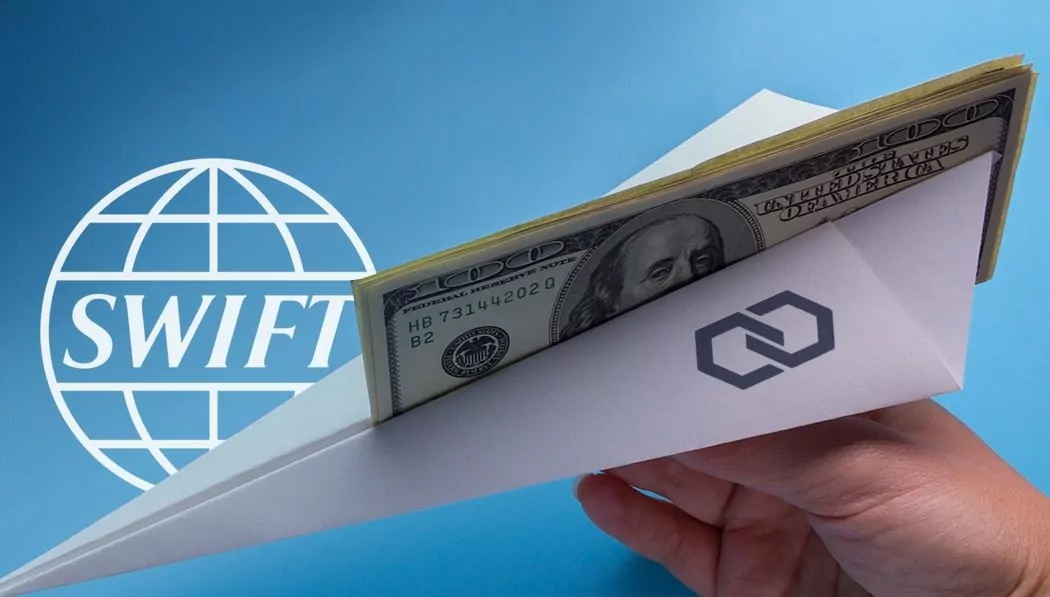
3. The real cost of paying through traditional rails
Beyond the visible fee, SWIFT payments to Asia typically pass through one to four intermediary banks, each with its own nostro/vostro account and its own fee. According to the Bank for International Settlements (BIS), average cross-border wire fees range from $25 to $50 per transfer, with settlement times of one to five business days. On top of that comes the FX spread, which in lower-liquidity corridors can add another 100 to 300 basis points.
SWIFT itself acknowledges that while 75% of payments reach the beneficiary bank within ten minutes, on average 80% of a cross-border payment's total journey time happens after the money leaves the SWIFT network in what's known as the "last mile": compliance reviews, currency controls, and manual processes at the receiving bank.
For an importer, that translates into working capital tied up for days, while the goods are already in transit or even on the shelf.
4. Where stablecoins fit into this process
Stablecoins, digital tokens backed 1:1 by a fiat currency, like USD₮ (Tether) have started being used as an additional settlement rail in B2B flows, particularly in corridors where correspondent banking is slower or more expensive. They don't replace the traditional banking system or instruments like the letter of credit; they operate as an additional layer within the same international payment flow.
In the context of Asian imports, the mechanism works like this: the importer in Latin America accesses USD₮ liquidity, which transfers near-instantly over networks like TRON. On the supplier or financial intermediary's side, those funds are settled into the relevant local currency to complete the trade operation, without depending on traditional correspondent banking timelines.
The cost and speed difference is significant in specific corridors. According to U.S. Federal Reserve estimates, stablecoin per-transaction cost can range between $0.01 and $1, with settlement on networks like TRON in roughly a minute, compared to $25–$50 and one to five days for a traditional SWIFT transfer.
5. How to decide which method to use: a practical guide
- First-time deal with a new supplier, high amount: prioritize security over speed. Letter of credit or T/T with pre-shipment inspection.
- Recurring supplier, established trust: T/T with staged payments still works, but this is where a stablecoin-based liquidity solution can reduce the time working capital sits idle, without sacrificing the security of the relationship already built.
- Small order or low amount: Alibaba Trade Assurance or PayPal offer enough protection for the risk involved.
- Time-critical operation (perishable goods, tight market window, need to redeploy capital quickly): this is where the speed gap between traditional rails and stablecoins has the most direct impact on business outcomes.
6. What to verify before any payment
Regardless of the method chosen, certain checks shouldn't be skipped: confirming the receiving account belongs to a commercial entity (not a personal one), double-checking supplier details before transferring a name error can hold up a payment for weeks and being wary of any supplier who only accepts methods with no traceability or buyer protection.
Frequently Asked Questions
What's the safest payment method for importing from Asia? A letter of credit (L/C) is the safest instrument because the bank only guarantees payment once the supplier presents the agreed shipping documents. It's ideal for high-value transactions or first-time purchases with a new supplier.
How long does a SWIFT transfer to China or India take? Between one and five business days, depending on the number of intermediary banks involved and the compliance checks at each bank in the chain.
How much does an international wire transfer cost? According to the BIS, average fees range from $25 to $50 per transfer, not including the FX spread or intermediary bank fees.
Is it safe to pay 100% upfront to an Asian supplier? Not recommended. Standard practice is 30% deposit and 70% against inspection or shipment, which reduces risk for the importer.
What are stablecoins and how are they used in trade finance? They're digital tokens backed 1:1 by a fiat currency (like the US dollar). In trade finance, they're used to move liquidity faster and more cheaply across borders, then settle into the relevant local currency.
Do stablecoins replace traditional banking? No. They function as an additional layer within the same payment flow, particularly useful in corridors where correspondent banking is slower or more expensive, without eliminating instruments like the letter of credit.